Five Steps For Building Community Trust

5 Aug 2026
Marketing
When a major economic development project is announced, public opinion is often set before the first public meeting begins. Residents who trust their local economic development organization are more likely to approach a project with curiosity, ask thoughtful questions, and give leaders the benefit of the doubt. Those who don't have that trust may assume the worst, question motives, or oppose a project before they've heard the facts.
If you want residents to trust you in the midst of a controversial project, it’s important to start building trust before that project is even a consideration. You do that not with news releases, but with transparency, consistency, and genuine relationships.
With that in mind, here are five ways your organization can strengthen public trust before your next major project.
1. Listen First, Talk Second
Nobody likes someone who tries to monopolize the conversation, yet many economic development organizations jump straight to talking about their latest project without first trying to understand residents’ perspectives.
Community surveys, stakeholder interviews, town halls, and one-on-one conversations will all provide valuable insight into how residents view economic development, where misconceptions exist, and what concerns deserve attention. More importantly, these conversations demonstrate that the community's perspective matters.
In Westfield, IN, community outreach conducted as part of a new strategic plan revealed perspectives that leaders didn't expect. Those insights helped the city better tailor its future communications and create resources that addressed the questions residents were actually asking.
You don’t have to agree with every concern or stop every project the minute residents raise an objection, but listening assures people that their voice matters, and it helps build trust in the decisions you make.
2. Make Transparency Your Default
Economic development often happens behind closed doors for legitimate reasons. Confidential negotiations, competitive projects, and legal requirements can limit what organizations are allowed to share. But that doesn't mean residents should feel like they’ve been left in the dark.
Trust grows when organizations openly explain what they can discuss, acknowledge what must remain confidential, and communicate consistently throughout the development process.
Don’t wait until projects are finalized to start sharing public information. Provide regular updates about ongoing initiatives, strategic priorities, workforce efforts, infrastructure improvements, and business retention activities. Showing residents the work that happens between ribbon cuttings helps demystify economic development and reinforces that progress is the result of years of planning — not overnight decisions.
3. Meet People Where They Already Are
Trust is built through relationships, and relationships require presence. Roswell-Chaves Economic Development Corporation President Mike Espiritu doesn't wait for residents to come to him. He speaks to civic organizations, attends city meetings, accepts nearly every invitation to present, and sometimes creates opportunities to speak when none exist.
His philosophy is simple: if people have access to accurate information before controversy arises, they're better prepared to evaluate projects on the facts rather than speculation.
Face-to-face conversations also allow economic developers to answer questions, address misinformation, and demonstrate that they are accessible.
4. Acknowledge Concerns Without Becoming Defensive
Not every resident will support every project, and that’s OK. You don’t build trust by getting everyone to agree. You do it by responding respectfully when they don’t.
Successful organizations acknowledge concerns, explain the reasoning behind difficult decisions, provide factual information, and remain available for questions. Even when residents continue to disagree, they are more likely to respect leaders who are transparent and willing to engage than those who dismiss criticism or avoid difficult conversations altogether.
Economic development organizations don't need to win every debate, but they need to communicate in a way that helps them earn credibility.
5. Think Long Term
Community trust compounds over time. Trusted Community Development in Nebraska didn't expand its regional influence by asking communities to immediately join its organization. Instead, the organization spent years helping communities solve problems, pursuing grants, supporting local initiatives, attending meetings, and demonstrating value before asking for anything in return.
That patience paid off. Communities began approaching the organization because of the goodwill it had already established.
The lesson applies to organizations of every size. You won’t build trust through one successful project, community meeting or communications campaign. You will earn it by continuing to show up, follow through, and demonstrate that you are working in the community’s best interest.
Trust Is an Economic Development Asset
Economic developers often measure success by jobs created, capital investment, or new businesses attracted. Those outcomes matter, but achieving them will be more difficult if you don’t first put work into building community trust.
When residents believe their economic development organization is transparent, accessible, and acting in the community's best interest, projects move forward with less friction, partnerships become stronger, and difficult conversations become more productive.
Building that trust doesn't require a larger marketing budget or a dedicated communications team. It requires consistency, visibility, and a willingness to listen as much as you speak.
The most successful organizations understand that community trust doesn’t come as a result of economic development, but development is made easier by trust.
To learn more about building trust and engagement in your community, download our latest whitepaper: Engaged Communities Win: How To Build Public Support for Economic Development.
More Topics


Featured Work: Government
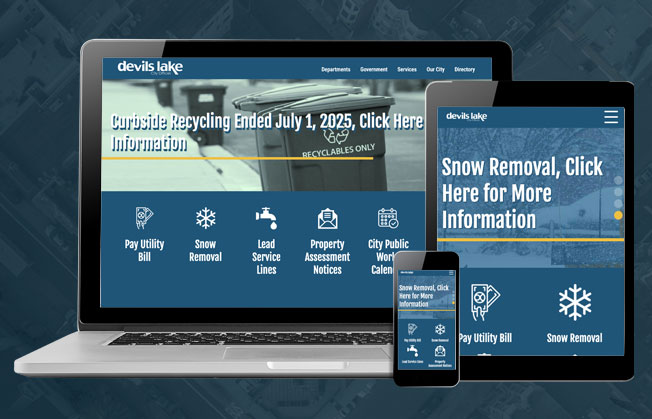
Devils Lake, ND
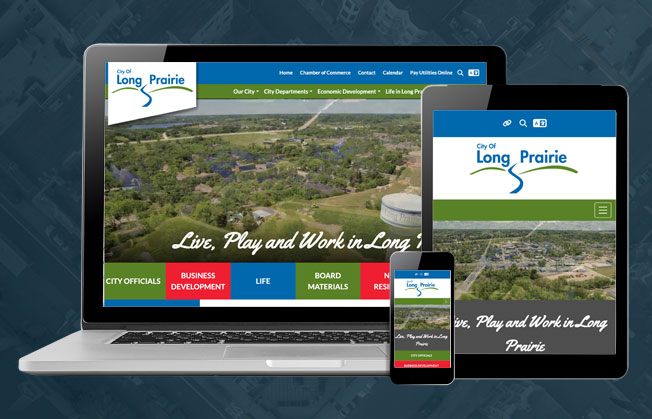
Long Prairie, MN
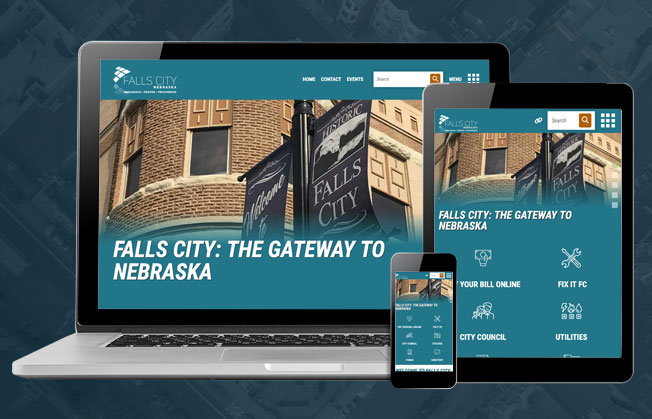
City of Falls City, NE
Get The Economic Developer's Edge Right To Your Inbox