How to Build Community Buy-In Before Your Next Economic Development Project

23 Jul 2026
Marketing
There’s no shortage of challenges that might slow or stop an economic development project, but one of the most pernicious comes from the residents who potentially stand to benefit from those efforts. Whether because they don’t understand the project in question, they think their community is fine as is or they have growth distrustful of the development process, residents are increasingly speaking out against development efforts of all types.
That kind of public opposition can slow or block even high-value projects, which makes it essential that economic development organizations (EDOs) put in the work to earn community support long before the first hint of controversy appears.
If you’re looking to strengthen community engagement and buy-in before your next major announcement, here are seven practical steps that even small EDOs can take.
1. Measure Community Sentiment First
In the same way a mechanic can’t fix a car without understanding what’s broken, an EDO can’t improve its rapport with the community without first gauging the current sentiment in the community. Are people concerned about data centers? Against all development? Are they well informed or reacting to rumors? Answering those questions and others like them will help you create a more effective communications campaign.
So, before you jump into an outreach effort, take a moment to establish your baseline through stakeholder interviews, town hall meetings, social media polls or resident surveys. As you do, your goal isn’t simply to catalog opinions. You need to identify knowledge gaps and misconceptions, understand concerns, and make note of the issues residents care most about. You also need to establish the channels that will be most effective in reaching your audience — from social media to direct outreach.
2. Explain the "Why" Before the "What"
Economic developers naturally focus on projects, incentives, and negotiations. Those are the terms that resonate with site selectors, property owners, and others they deal with most directly in the development process. But residents don’t know much about the behind-the-scenes work that goes into economic development, and many are unlikely to care even if they do.
To connect with residents, recalibrate the language you use when communicating with them. Instead of leading with tax increment financing, infrastructure improvements, or strategic plans, talk about how a project will lead to better-playing jobs, how it will lower their tax burden, or how it will expand housing options. People are more likely to support projects when they understand how those projects improve their everyday life.
3. Replace Industry Jargon with Plain Language
By the same token, the terms that make sense to others in the economic development space will mean little to the general public. Residents don’t want to hear about workforce attraction initiatives or BR&E. They want to know that a project is helping local employers build a skilled workforce or that your EDO is helping the businesses in their communities thrive and grow.
Using simple language builds understanding, and understanding builds trust.
4. Communicate Year-Round
One of the biggest mistakes EDOs make is communicating only when there is big news to report. If you go extended periods without communicating, residents may lose sight of what you’re doing and they may not understand the years of effort you put into business recruitment, the work that goes into site preparation, or the delicate work of building workforce partnerships.
The more residents see of the work behind the results, the better they will comprehend the process that led to that big news. To help fill the gaps, communicate with residents through:
- Monthly updates
- Behind-the-scenes stories
- Project timelines
- Economic impact snapshots
- Business success stories
Regular communication makes economic development visible instead of mysterious.
5. Turn Statistics Into Stories
Numbers matter. Stories stick. Put them together, and you’ve got a powerful communications tool. In fact, stories can be up to 22 times more memorable than facts alone when they convey a clear message. So, rather than talking about 200 new jobs, a $45 million investment or an $8 million payroll, tell a story about a local manufacturer expanding, a graduate finding work close to home, or a local contractor benefitting from new construction.
Human stories make economic development relatable, and that will help build support for the work you’re doing.
6. Make Listening Part of Your Strategy
Community engagement isn't just broadcasting information. It's creating opportunities for conversation. Because as important as it is to get accurate information out to residents, it’s equally important to pay attention to what they say. You can’t understand residents’ concerns, after all, if you’re not willing to listen. For this reason, successful organizations routinely:
- Hold listening sessions
- Attend civic meetings
- Participate in community events
- Answer difficult questions
- Respond respectfully to criticism
Residents won’t participate in every opportunity to provide feedback, but when they know you’re listening, and that they have an opportunity to influence development efforts, their level of trust will increase.
7. Create Community Ambassadors
An EDOs voice carries a certain weight, but if you’re looking to build trust, having an enthusiastic ambassador in the community can pay tremendous dividends. Residents are more likely to trust their friends and neighbors than an institution. If you can find people in your community who believe in your vision, they will be well positioned to share that message within their circles. Identify respected voices including:
- Business owners
- Teachers
- Civic leaders
- Nonprofit directors
- Chamber members
- Community volunteers
Equip your ambassadors with accurate information they can naturally share throughout the community. Having trusted voices available to explain economic development will help you grow support organically.
Build Trust, Fuel Success
No skydiver waits until she’s in the air to pack her parachute, and no EDO should wait until it sees opposition to begin making its case to the community. The strongest community relationships aren't formed during controversial projects. They're built through years of consistent communication, transparency, listening, and education.
By investing in relationships before you need public support, you'll spend less time overcoming opposition and more time helping your community grow.
For more in-depth guidance on how to build engagement and trust in your community, download our free whitepaper: Engaged Communities Win: How to Build Public Support for Economic Development.
More Topics

SBA SCALE Grant: How Economic Developers Can Strengthen Business Retention and Expansion Programs
Jul 16 2026
Building Brilliance in Wilmington
May 19 2026
Featured Work: Government
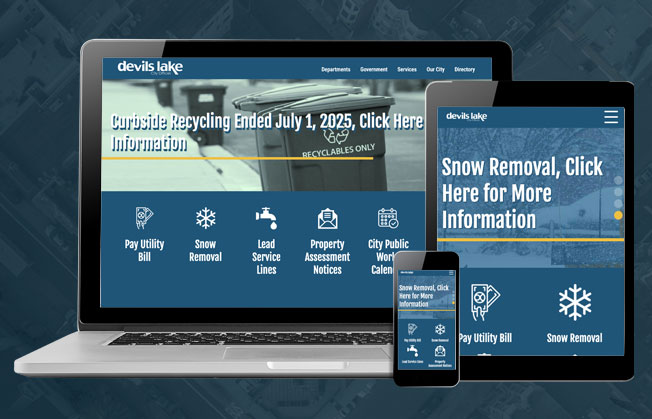
Devils Lake, ND
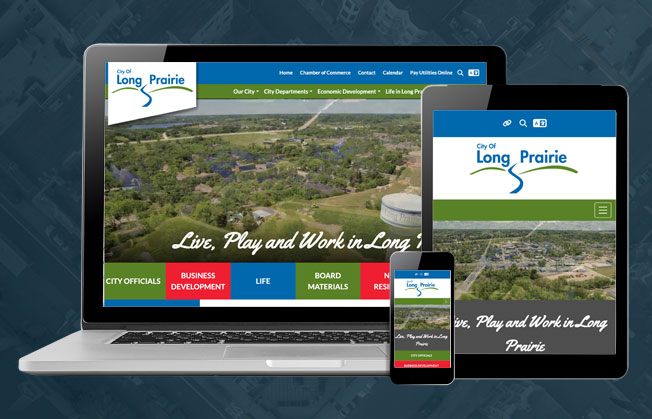
Long Prairie, MN
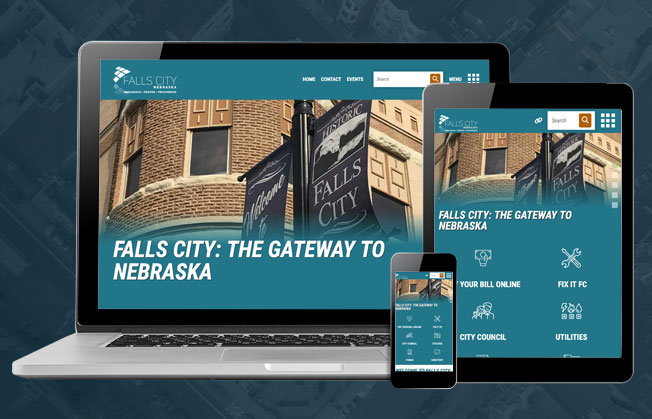
City of Falls City, NE
Get The Economic Developer's Edge Right To Your Inbox