

The Aviation Disruption Is Already Here — And Communities That Hesitate Will Be Left Behind
26 Feb 2026
Most communities believe they have time.
Time to revisit their airport master plan. Time to think about autonomous aircraft once the technology matures. Time to decide whether advanced air mobility, electric aircraft, or on-demand aviation services are “real” or just another speculative trend.
That assumption is the greatest risk facing local and regional airports today.
Transportation disruption is not a distant concept. It is unfolding now, quietly, and unevenly. Some communities are positioning their airports as gateways into the next era of mobility. Others are doing nothing, and in doing so are ensuring they will be bypassed — not just by aircraft, but by investment, workforce, and opportunity.
The uncomfortable truth is this: aviation is changing faster than local planning cycles, faster than public funding conversations, and faster than many leaders are willing to acknowledge. Communities that wait for certainty will discover too late that certainty never arrives — only momentum does.
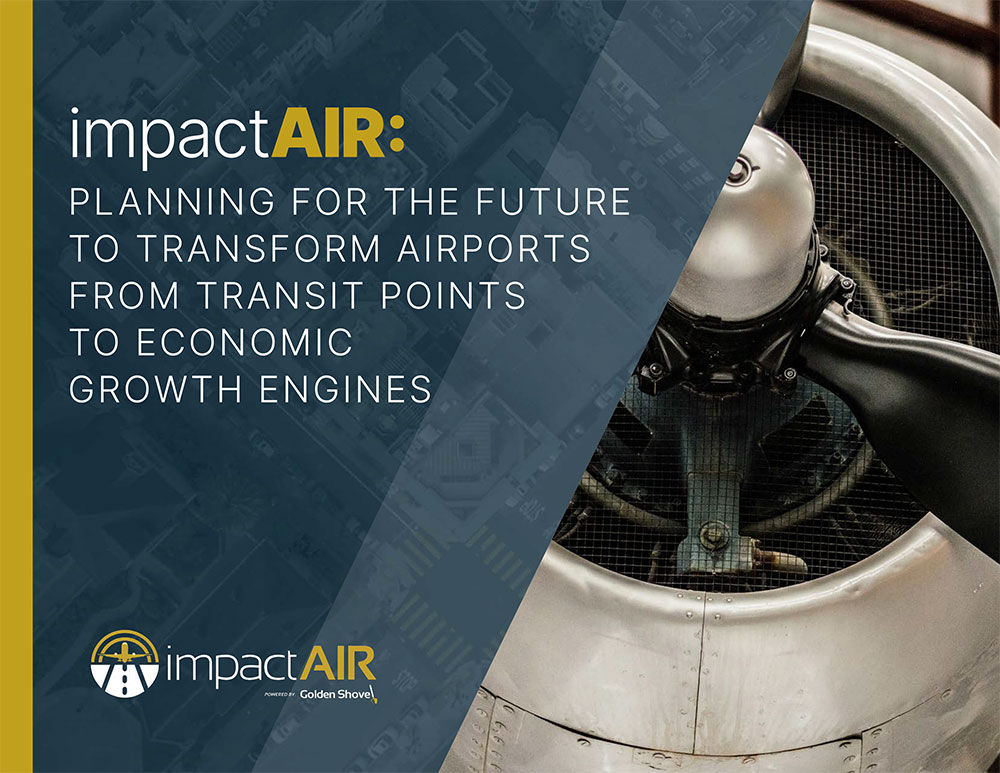
Download the whitepaper: impactAIR: Securing the Future of Local Airports
A New Transportation Model Is Emerging
Imagine a trip where you don’t need to own a car, schedule commercial airline flights, or navigate congested highways while worrying about your rapidly retreating arrival time. An autonomous vehicle arrives at your home, transports you to a nearby airport, and seamlessly connects you to an electric aircraft or small autonomous plane. Your destination is not a hub airport, but a community-scale airfield designed for speed, access, and efficiency.
This is not science fiction. It is transportation-as-a-service, and aviation is at its center.
The forces driving this shift are converging rapidly: artificial intelligence, autonomy, advanced avionics, next-generation GPS, lower operating costs, and rising demand for flexible mobility. Together, they are dismantling the historical barriers that made aviation expensive, exclusive, and centralized.
Every segment of aviation is affected — general aviation, commercial airlines, private and corporate travel, and the emerging eVTOL ecosystem. What matters most is not which platform dominates first, but which communities are ready to accommodate them when they do.
Want more information? Schedule a consultation.
Aviation operates in three dimensions
Aircraft already function within a nationally managed airspace system. ADS-B tracking is widespread. Modern avionics rely on real-time data, satellite navigation, and sophisticated sensors. Autopilot systems already fly complete flight profiles under human supervision. In many aircraft, the pilot’s role has quietly shifted from active control to systems management.
In newer aircraft, that transition is even more explicit. Autoland technology can safely land an aircraft with the push of a button, navigating weather, terrain, and runway selection autonomously. While positioned today as a safety feature, it represents something far more significant: proof that the technological barrier to autonomous flight has already been crossed.
Public comfort, regulation, and infrastructure will follow — and they will move faster than expected.
Accessibility Is the real disruption
The most profound impact of aviation innovation is not speed or novelty. It is accessibility.
As air travel evolves from a luxury to a service, the geography of opportunity changes. Communities once considered “too small,” “too remote,” or “too far” suddenly become viable destinations for business, talent, healthcare, and logistics. Airports that were once underutilized become strategic assets.
This shift fundamentally alters how communities compete.
A company evaluating expansion will no longer ask only how close a community is to a major interstate or commercial airport. It will ask how easily executives, engineers, suppliers, and customers can access the region on demand. It will ask whether air mobility is an advantage or a constraint.
The communities that answer confidently will win. The ones that hesitate will be invisible.
Golden Shovel Agency, and our partners, help communities to update their airport strategic plans and market aviation opportunities to relevant target industries. Book a meeting to discuss ways to turn your airport into an economic driver.
Download the whitepaper: impactAIR: Securing the Future of Local Airports
More Topics
Best Economic Development Websites for 2026
Feb 24 2026

Mt. Sterling-Montgomery County Chamber launches two new sites to support business development
Jan 15 2026Featured Work: Government
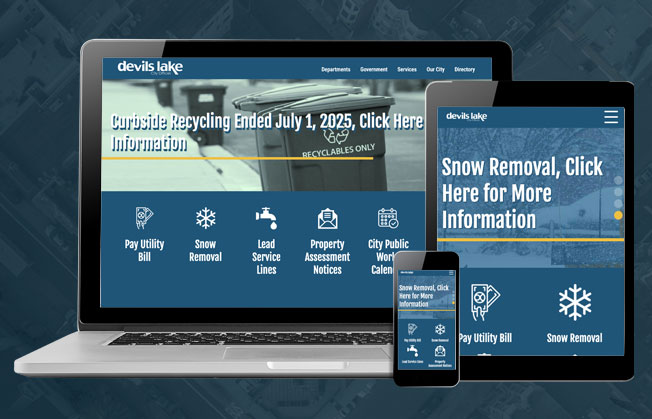
Devils Lake, ND
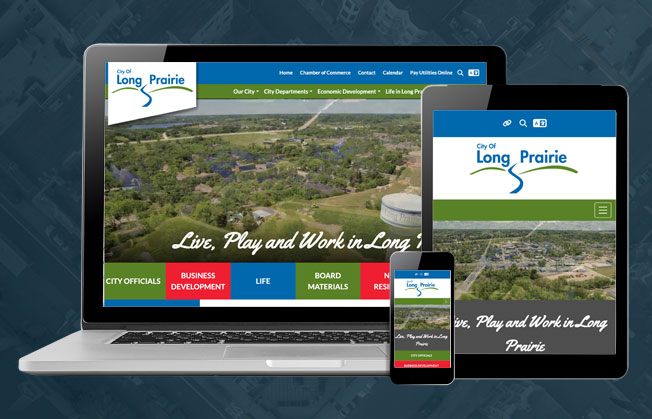
Long Prairie, MN
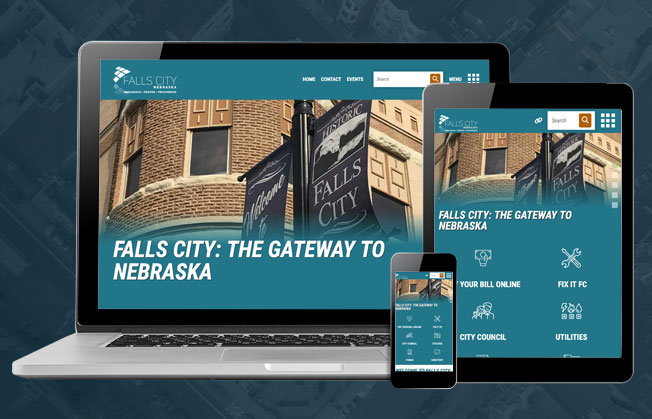
City of Falls City, NE
Get The Economic Developer's Edge Right To Your Inbox