
Opportunity Close to Home
21 Apr 2026
Workforce Development Expands Careers and Economic Stability in Iowa
In rural Iowa, long-term economic growth is being driven by strategic investment in local talent. Workforce development efforts in Winnebago and Worth Counties demonstrate how aligning education, training, and employer needs can strengthen businesses, expand opportunity for residents, and build resilient rural economies.
Rural regions face distinct workforce constraints that threaten economic sustainability if left unaddressed. Rural areas often have smaller labor pools and limited specialized training programs, and barriers such as limited access to childcare, housing, transportation, and broadband may be more pronounced than they are in areas with higher population density. Further, outmigration of young adults for education and employment shrinks the available labor pool and employers struggle to find workers with the right skills while veterans and returning workers face challenges translating their existing experience into civilian careers.
Without intervention, these factors create a cycle in which businesses cannot grow, and residents are forced to leave to find opportunity.
A strategy to align workforce and economic development
In rural Iowa, long-term economic growth is being driven by strategic investment in local talent. Workforce development efforts in Winnebago and Worth Counties demonstrate how aligning education, training, and employer needs can strengthen businesses, expand opportunity for residents, and build resilient rural economies.
Workforce leaders have adopted a people-centered strategy that connects talent development directly to local economic needs. This approach bridges job seekers and employers by aligning education, training, and support services to strengthen local industries.
“It goes beyond simply connecting people to jobs. It’s about preparing a pipeline of talent that is responsive to the needs of local employers,” said Adam Blanchard, Veteran Career Planner with IowaWORKS. “When workers succeed, businesses succeed, and when businesses succeed, rural communities can not only survive but thrive.”
Why does workforce development matter in rural Iowa?
These workforce development efforts matter, because workforce development reduces outmigration by connecting residents to local careers, strengthens access to a reliable, skilled talent pipeline and ensures that money earned in the community stays in the community, increasing the tax base and stabilizing the population. It also ensures that veterans, returning workers, and nontraditional labor pools are reengaged.
Download the Whitepaper: workFORCE: How to Build a Homegrown Talent Pipeline from the Ground Up
Download the Whitepaper: workFORCE: How to Build a Homegrown Talent Pipeline from the Ground Up
Community opportunity: untapped local talent
A 2025 Forest City Laborshed Study highlights the scale of opportunity available when workforce systems are activated.
Key findings include:
- 15,363 individuals are likely to accept employment locally
- 28.9% of currently employed workers are open to changing jobs
- Over 56% of unemployed individuals would accept local employment
- Approximately 43% of homemakers and 23% of retirees are interested in rejoining the workforce
- 28% of residents commuting out of Forest City are open to switching to local jobs
These insights underscore the importance of workforce development as a connector between employers and existing, often overlooked, labor pools.
How does a workforce system drive results?
Rural Iowa’s workforce strategy leverages a coordinated ecosystem of programs and services designed to meet individuals where they are while responding to employer demand. A layered approach allows rural communities to adapt to changing employer needs, serve diverse populations, and replicate the model across regions with different industry mixes
Key components include:
Adult, Dislocated Worker, and Youth Programs
Provide funding for training, career planning, and support services, particularly for veterans, returning workers, and young adults entering high-demand fields.
Adult Education and Literacy
GED preparation, ESL, and foundational skills training create on-ramps to technical education and employment.
Vocational Rehabilitation Services
Customized services and accommodations support individuals with disabilities, including veterans, in preparing for and sustaining employment.
Workforce Innovation and Opportunity Act (WIOA)
The backbone of the workforce system, supporting:
- Job training and career services
- Adult education and literacy
- Employment services and labor market information
- Vocational rehabilitation
State initiatives such as Home Base Iowa, Future Ready Iowa, and PROMISE JOBS further strengthen the rural workforce pipeline.
Planning for the future workforce
Technology, automation, and remote work are changing workforce needs, including in rural areas. Proactive planning helps communities stay competitive. Partnerships between education providers and employers ensure training programs align with real workforce demand.
Through collaboration with North Iowa Area Community College, programs are tailored to regional needs in sectors such as healthcare, manufacturing, welding, information technology, and commercial driving.
These partnerships shorten time-to-employment, reduce skills gaps, and provide employers with a dependable pipeline of job-ready talent.
Investing in people builds resilient economies
A commitment to workforce development reflects a simple truth: strong rural economies are built by aligning talent, training, and opportunity close to home.
The rural Iowa workforce model shows that:
- Workforce development functions as economic development
- Local talent exists when systems are designed to engage it
- Integrated partnerships improve outcomes for workers and employers
- Rural communities can grow by investing in people
This approach offers a replicable blueprint for rural regions seeking sustainable growth without relying solely on external labor attraction. By investing in people, communities can support business growth, retain residents, and create pathways to lasting prosperity.
Download the Whitepaper: workFORCE: How to Build a Homegrown Talent Pipeline from the Ground Up
More Topics


Economic Development Website RFP Alternatives for EDOs: How an RFP Could Hurt Your Organization in 2026
Mar 23 2026Featured Work: Government
Devils Lake, ND
Long Prairie, MN
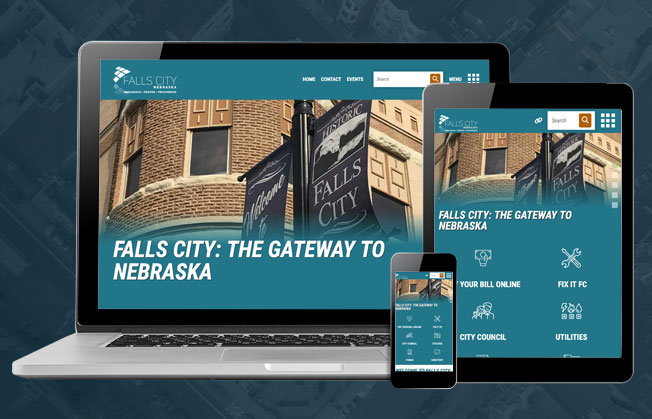
City of Falls City, NE
Get The Economic Developer's Edge Right To Your Inbox